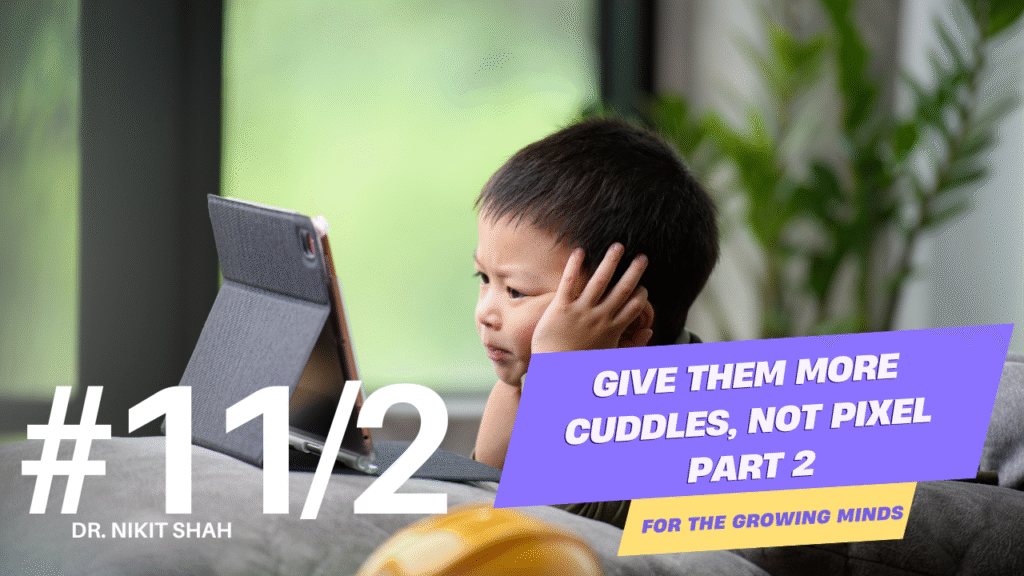
Give them more Cuddles, Not Pixels:
For the growing minds
Stolen Focus: The Screen Takeover
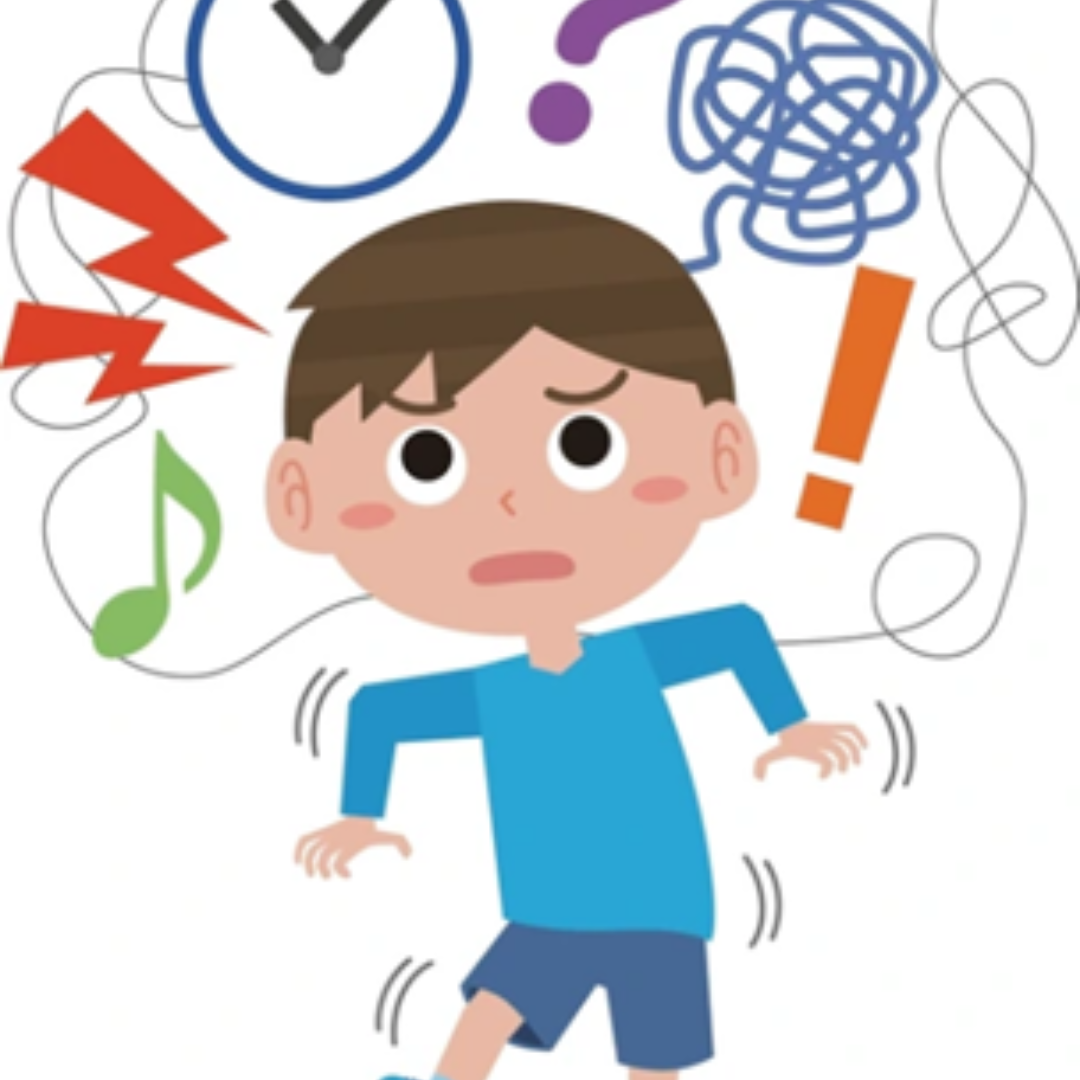
If you are reading story or a picture book or explaining them to a child, a child processes the seen and heard information. Child also has a opportunity to ask or re read if the concept is not understood. With use of digital devices and fast moving content the time given for processing information is very less. There is no opportunity to learn and unlearn, as the content not understood does not stop. Videos often are interrupted by advertisements, which deviates children form original subject. Hence fast paced digital content does not let children learn and unlearn but would make them hyperactive and reduce attention span.
Digital addiction & poor impulse control (The Instant Gratification Machine)

Children need their daily dose of boredom. They need to figure out how to tide over this, by different means. It teaches them how to cope up with frustration and how to control their emotions. Digital devices hyper stimulate them and they would want to have a screen to cope up every time they feel bored. This turns into an addiction and eventually they would loose impulse control when they are rejected. (its exactly analogous to drug and alcohol addiction). Instead of controlling their emotions they develop rage as a prominent emotional response with every rejection.
Digital Bondage: The Emotional Cost of Constant Connection
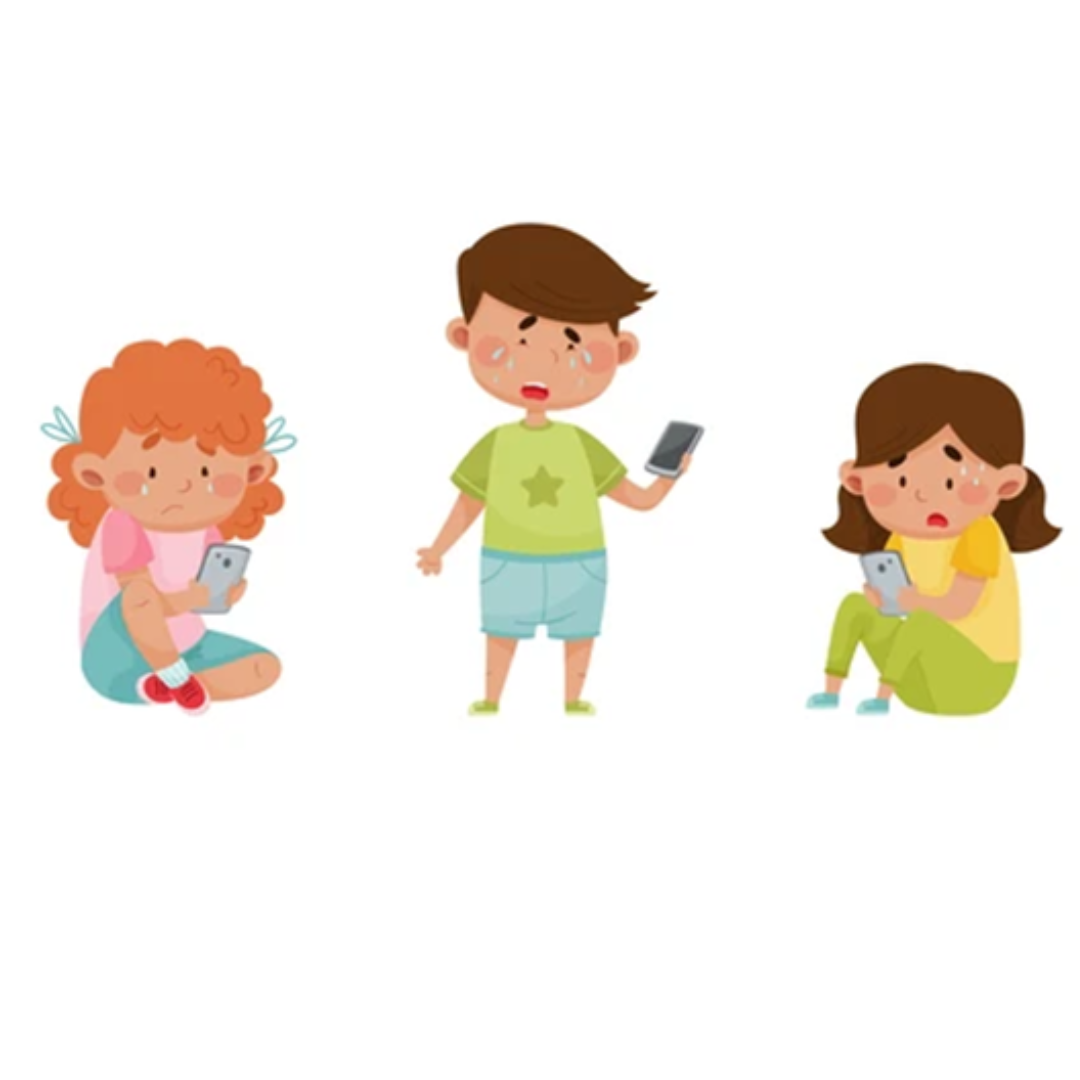
Children learn social behaviors through face-to-face interactions. When screen time replaces meaningful conversations and playtime, social skills suffer. Excessive use of digital devices can lead to difficulties in understanding emotions, reading facial expressions, and developing empathy. These skills are essential for building relationships and navigating social situations. Until verbal communication is developed, babies rely heavily upon face reading. They understand emotions and would communicate back in similar way. If you smile, they would smile, if you cry they would be unhappy. This skill would be affected if they are exposed to digital devices before 1 year age.
Swipe Now, Sleep Later: The Digital insomnia

Sleep is vital for child’s brain development. Our brain actually does not sleep when we sleep. In fact it converts and consolidates all learned experiences through all sensory organs into a permanent memory. In short
‘We remember when we sleep’. We feel irritated and low when we are sleep deprived. Imagine what would happen to a child who is chronically sleep deprived !!!
Digital devices do not let you sleep primarily because of 2 reasons:
- Light emitted does not let your brain secrete melatonin (Sleeping hormone)
- Hyper stimulates brain and keeps us engaged, enough to postpone sleeping impulse.
This would cause chronic sleep deprivation, leading to overactive child with poor impulse control, mood swings, emotional liability, poor concentration and learning difficulties. It also leads to surge of steroids which makes you anxious and obese.
Sitting Still, Scrolling Fast: The Sedentary Side of Screens

Long hours of screen time and fatigue and inertia associated with prolonged sedentary life style leads to poor physical and mental health, poor posture, weakened motor skills. Its makes you
‘Couch potato’.
Screen time and your mind: Cognitive chock up
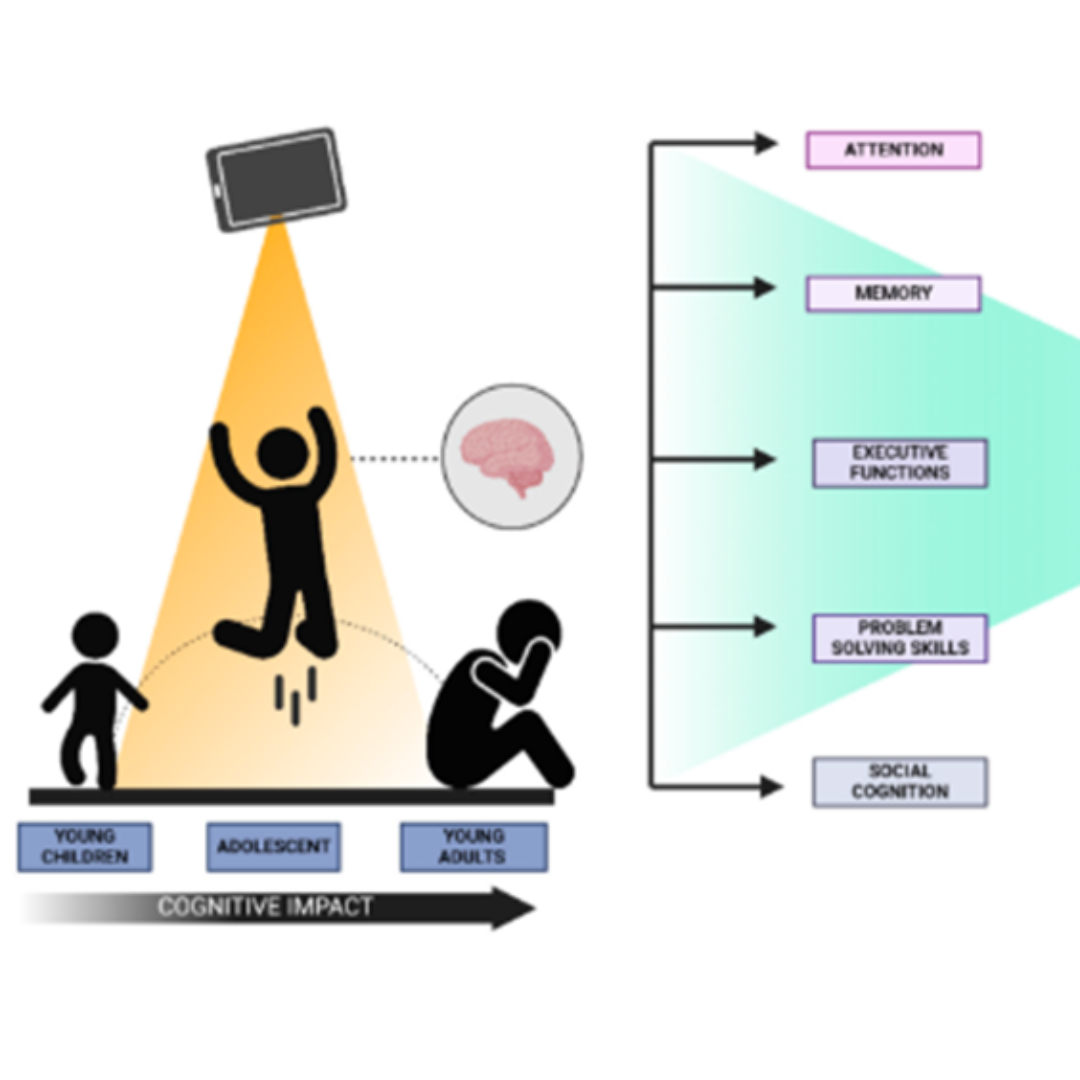
Social media learns your likes and dislikes and would keep showing you similar content repeatedly, limiting development of vocabulary. It also restricts a child’s ability to engage in deep thinking, problem-solving, and abstract thinking due to repeated passive content. Extensive time spent on gadgets for children may cause them to miss the logical reasoning capability required both in academic performances and real-life practical problems. Frequent screen exposure also impacts memory retention. The brain develops neural pathways based on experiences, and passive screen consumption may limit developing new pathways.