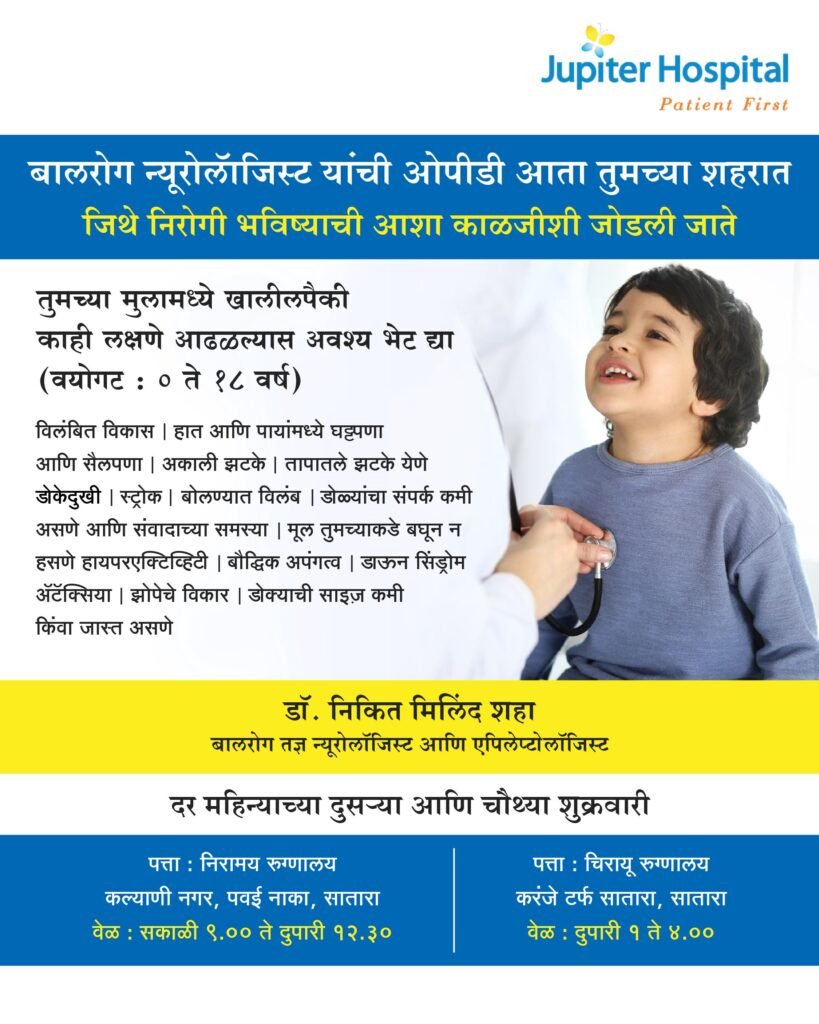
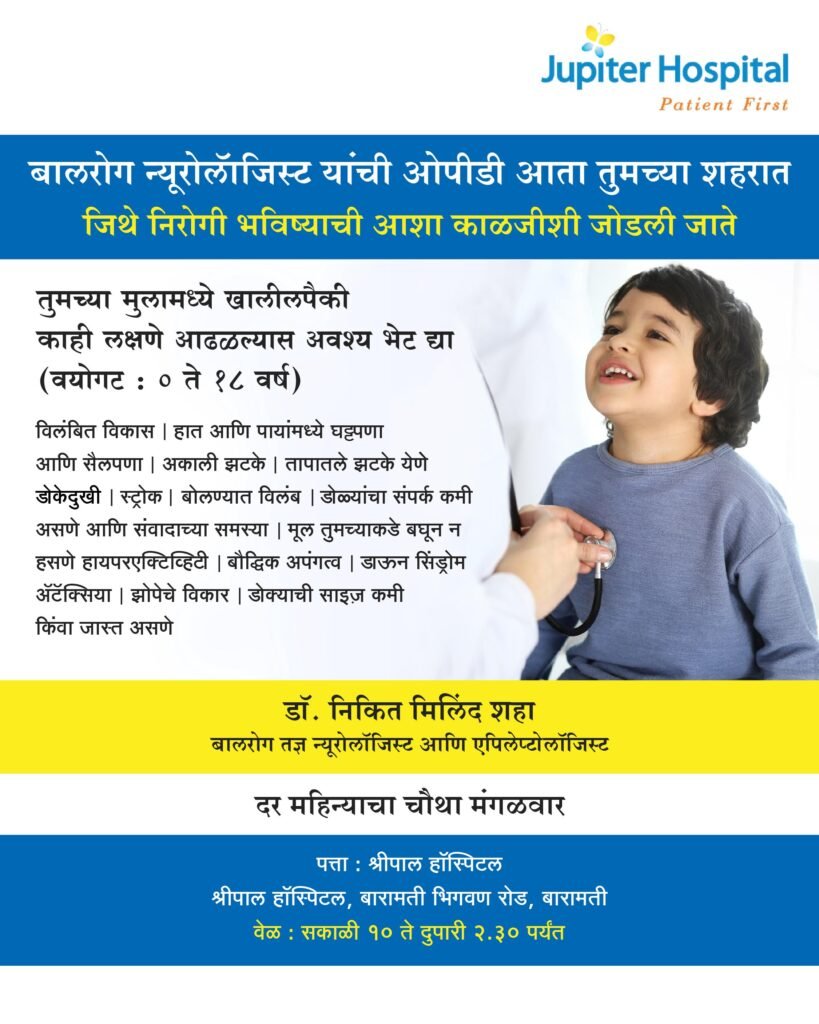
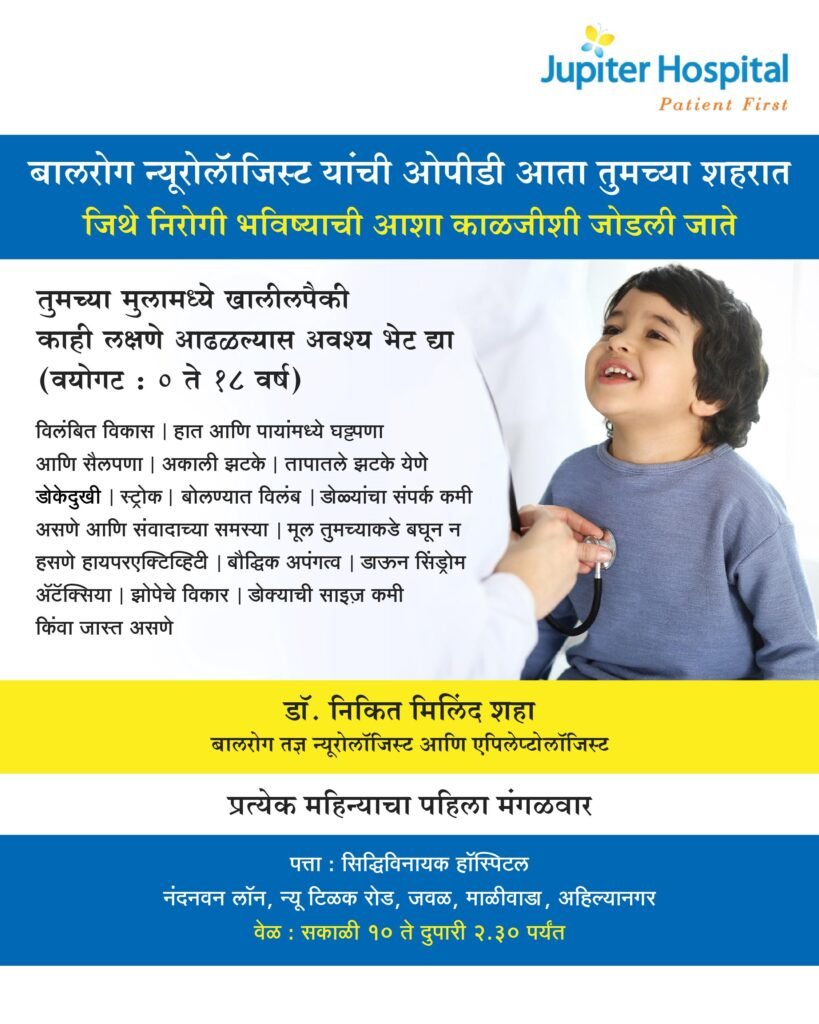
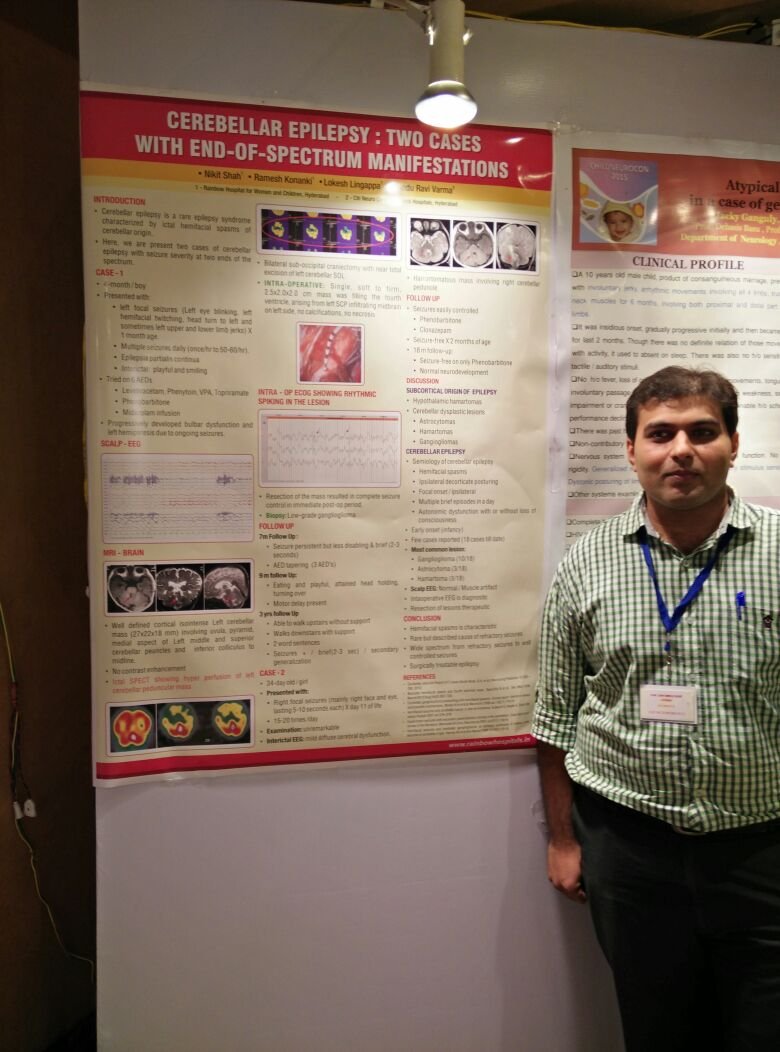
meet Dr. Nikit

About Dr Nikit Shah

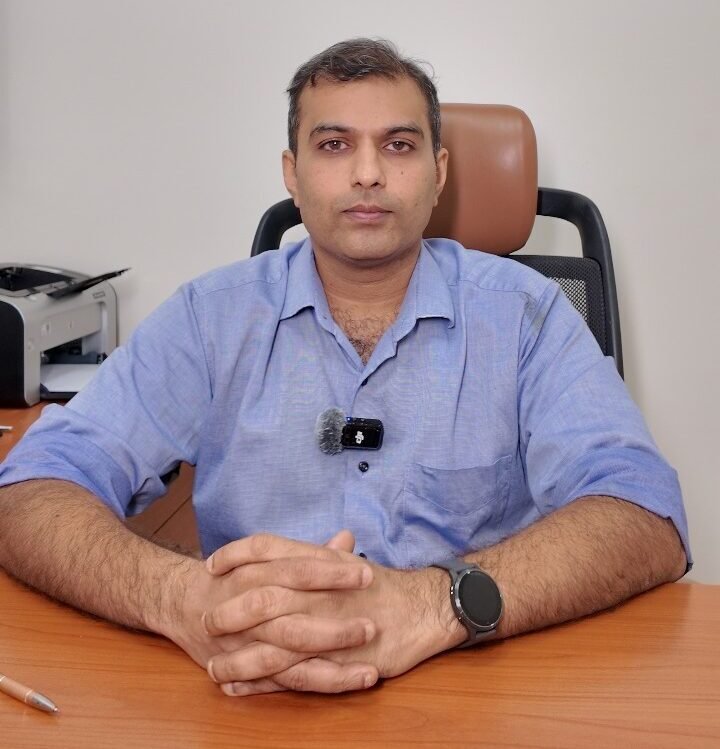
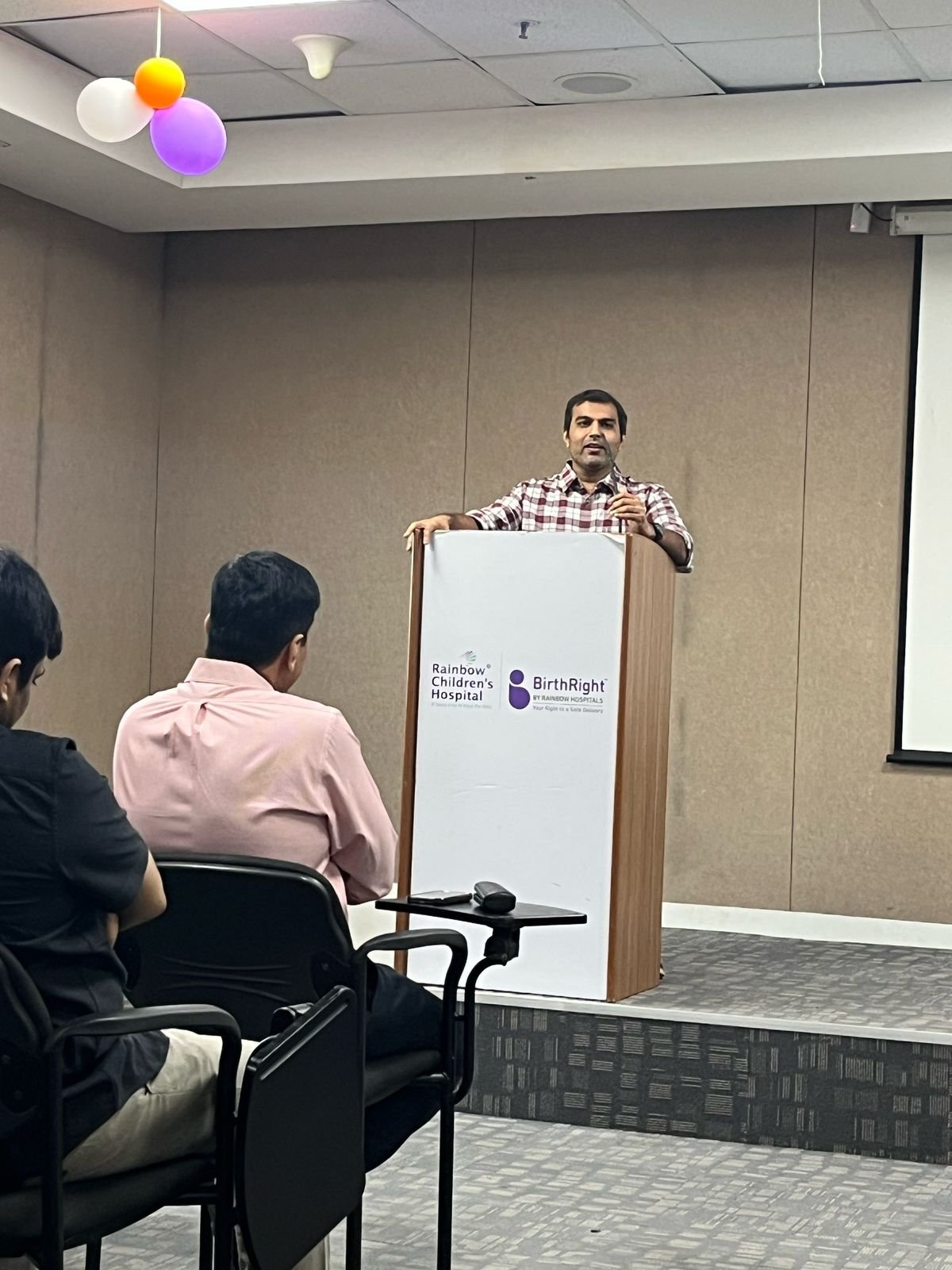
Dr Nikit Shah is pediatric neurologist with 13 years experience in field of pediatric neurology. He finished his pediatric training (Diploma in pediatrics followed by DNB pediatrics) in 2012. He later joined fellowship in pediatric neurology offered under agis of Indian association of pediatrics (IAP) from Renowned Rainbow Children’s Hospital Hyderabad. After His fellowship he worked a consultant pediatric neurologist in Hyderabad until he joined another fellowship program offered by Royal college of pediatrics UK. During this fellowship he worked in Prestigious Birmingham Children’s Hospital for 3 years before returning to India. This fellowship offered advanced knowledge about pediatric neurology and complex epilepsy. After returning to India he worked as consultant neurologist for 3 years in Rainbow children’s hospital at Hyderabad.

Now he works as consultant pediatric neurologist at Jupiter lifeline Hospital at Baner Pune. He is available at Jupiter Hospital as full time Pediatric neurologist and is available from 10 am til 4 pm.

He is comfortable in many languages and speaks Marathi, Hindi, English, Gujrathi, Kutchi and Telugu.

His special interests are in Preventive neurology, social neurology and complex epilepsy management. He believes in providing a complete care to a child and family irrespective of the problem. Child in the family is center point around which entire family is affeted if a child has a problem. Hence it is essential to treat entire family than just a child. He believes in team work and there are many specialist he works with in Jupiter Hospital to provide a comprehensive care to the family. 

Our Pediatric Neurology Services

We provide expert pediatric neurology services for children aged 0–18 years, offering advanced diagnosis and personalized treatment for developmental, genetic, neuromuscular, and neurological conditions with compassionate, age-specific care.

"Book expert pediatric neurologist for your child's brain health today!"

Our Blogs

1

Is My Child Developing Normally? 10 Milestones Every Parent Should Track

🧠 What Are Developmental Milestones? Developmental milestones are physical, cognitive, emotional, and communication skills most children achieve by a certain age.…
2

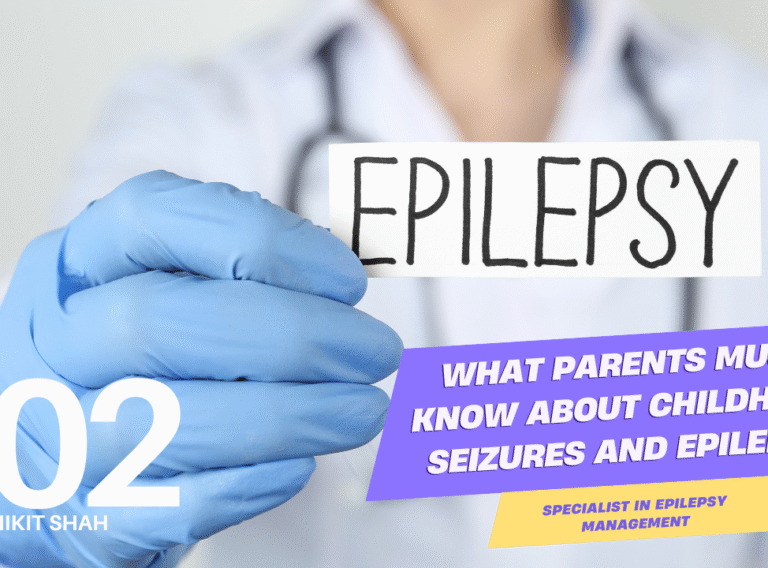
What Parents Must Know About Childhood Seizures and Epilepsy

Watching your child have a seizure can be one of the most frightening moments for any parent. Whether it was due…
3

Speech Delay vs Autism – What’s the Difference and When to Worry?

“My child isn’t talking yet — is it just a delay, or could it be autism?”This is one of the most…
4

Why Early Intervention in Pediatric Neurology Makes All the Difference

Brain development and plasticity is time critical. Whether it’s a speech delay, Motor delay or behavioral issues — the earlier we…
5

Headaches in Children – When Is It Just Stress and When Is It Serious?

Headaches in children are more common than you think — but not always easy to understand. School going kids can verbalise…
#01

Pediatric stroke

When do you suspect stroke ? Following set of symptoms, when happen to your child you should suspect stroke. Stroke symptoms…
#01 (1)

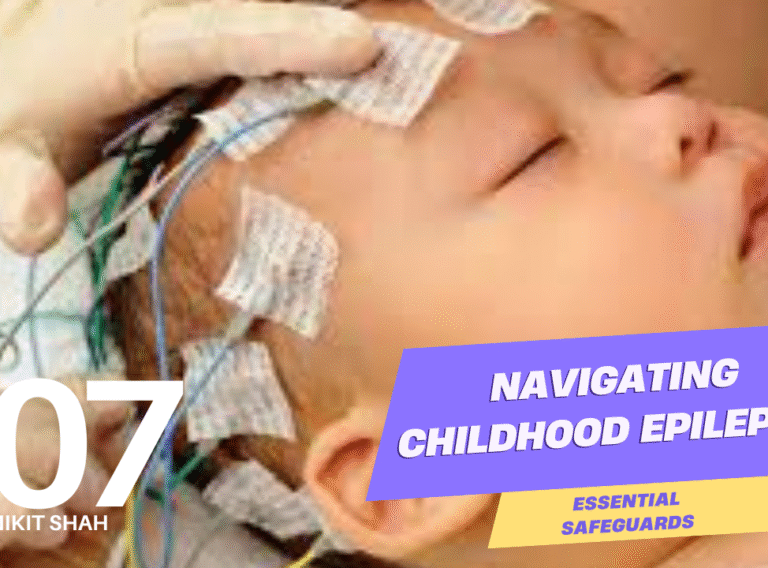
Navigating Childhood Epilepsy

Navigating Childhood Epilepsy: Essential Safeguards for Parents This is the most common question which is asked to Pediatric neurologists when a…
#01 (2)

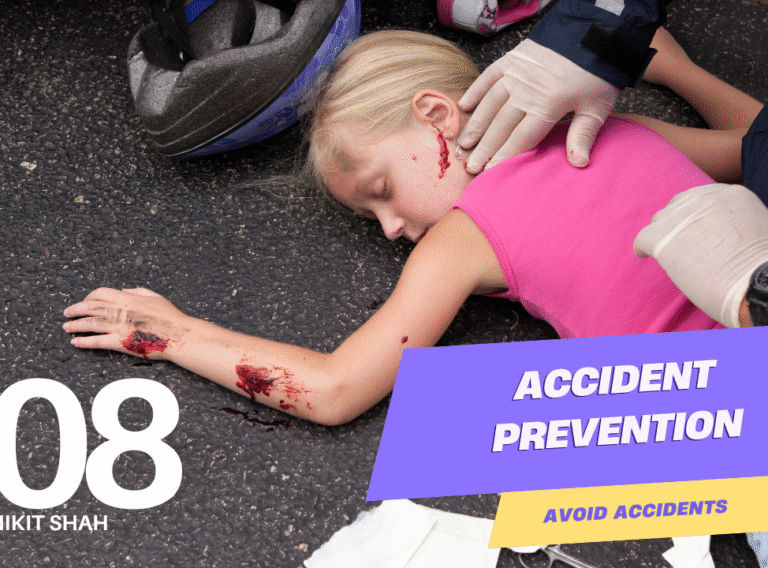
Accident Prevention

WHAT ARE THE COMMON PLACES WHERE ACCIDENTS CAN HAPPEN : Unfortunately home is the most common place where accidents happen. Most…
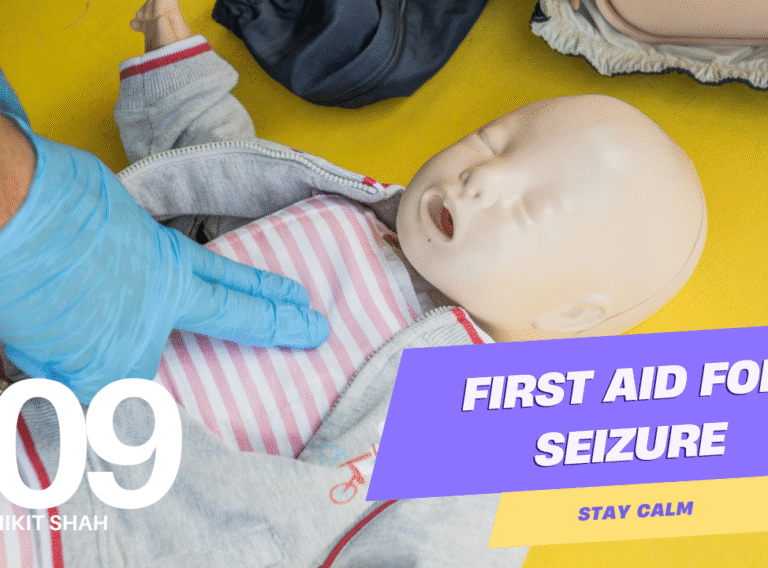
First Aid For Seizure

First Aid For Seizure

What is first aid for a seizure? Stay calm, protect the child from injury Turn them on their side (Left or…
types of seizures

Types of seizures

Different types of seizures: SIMPLE PARTIAL (FOCAL) SEIZURES / FOCAL SEIZURE WITH PRESERVED AWARENESS : You remain awake and aware while…
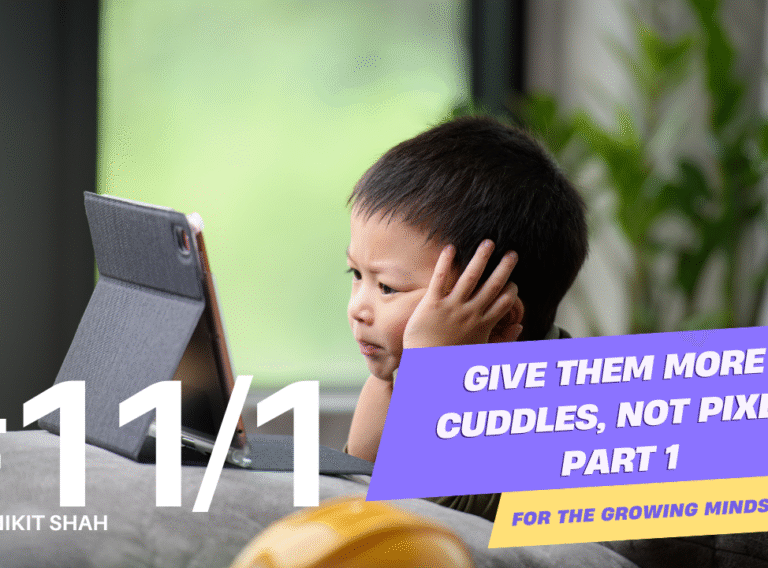
Give them more Cuddles, Not Pixel Part 1

Screen Time And Brain Development – Part 1

Give them more Cuddles, Not Pixels: For the growing minds In today’s, fast world, smaller families, too many expectations and Juggling…
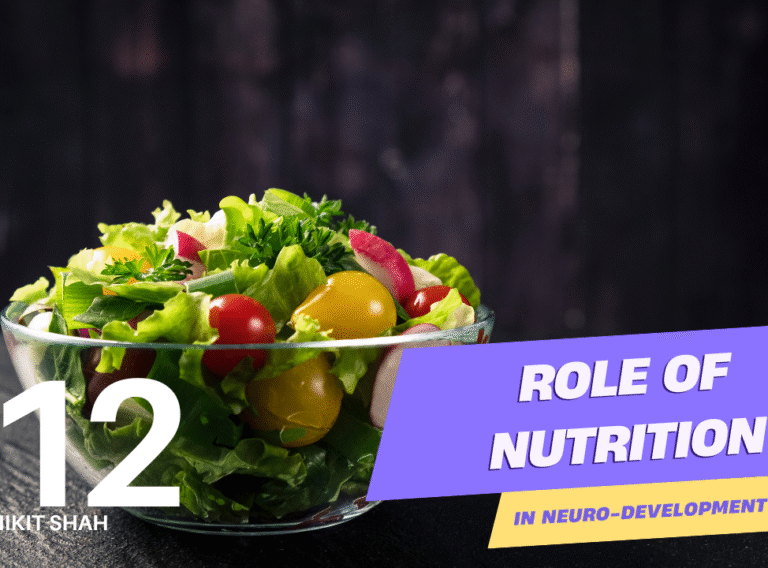
Role of nutrition

Role of nutrition

Role of nutrition in Neuro-development “In today’s fast-paced world, we’ve lost sight of the vital role, nutrition plays in fueling a…
13

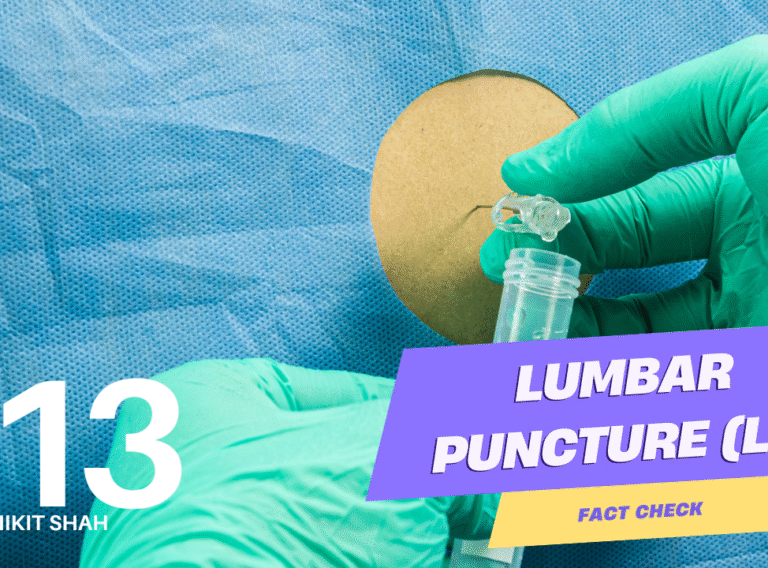
Fact check: Lumbar puncture

What is lumbar puncture (LP) ? Lumbar puncture is a procedure where we introduce a needle in coverings of spinal cord…
14

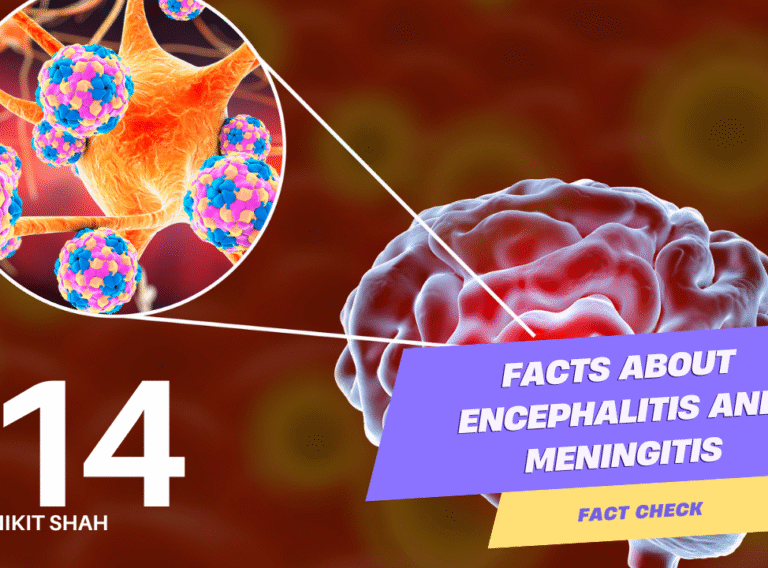
Encephalitis fact check

What is encephalitis? Encephalitis is inflammation (means response given by the body to any sort of injury to cells) of the…
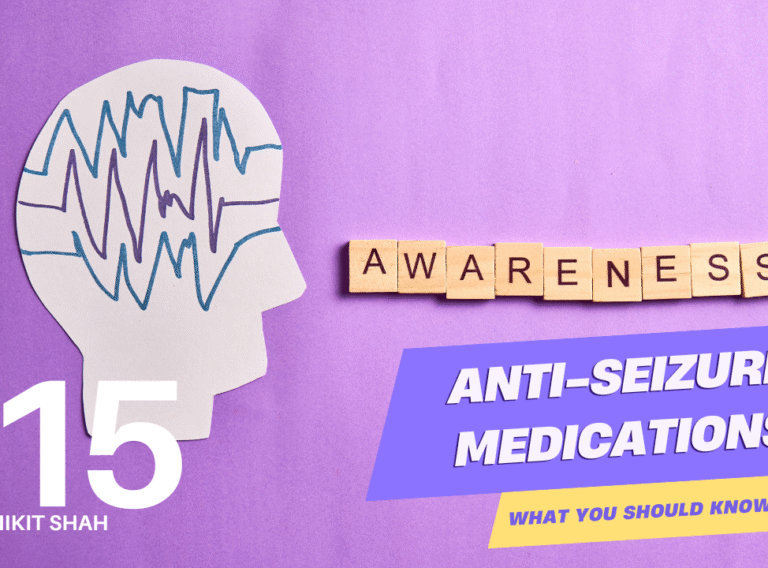
Anti-Seizure Medications

Antiseizure medications: fact check

Can anti-seizure medications have side effects ? YES. Side effects may include sleepiness, mood changes, appetite changes, weight gain or loss…

Visiting Faculty

WHAT HAPPY CLIENTS SAY

Testimonials

Understanding your requirements and objectives is important to us. We listen and work
together to create a truly unique and unforgettable experience.
FAQs

Frequently Asked Questions – Dr. Nikit Shah

Pediatric Neurologist | Jupiter Lifeline Hospital, Pune

Yes, epilepsy can affect children of all ages (Between 0 days to 18 years) and backgrounds. It may develop due to genetic factors or acquired causes like brain injury, infections, or metabolic disorders

Some forms of epilepsy are genetic and can run in families. Some epilepsies are genetic but non famileal. However, not all epilepsies are inherited—many are caused by acquired causes like brain injury, infections

Common causes include birth-related complications, brain malformations, head trauma, infections like meningitis or encephalitis, genetic syndromes, or metabolic disorders.

 Yes. Treatment includes medications to prevent clots, physical therapy, occupational therapy, and sometimes surgery, depending on the cause and timing.

Yes. Most children with epilepsy respond well to anti-seizure medications. In some cases, surgery, dietary therapies (like ketogenic diet), or neurostimulation may be recommended. Having said that, Seizures medications in majority of the patients (60-70%) control seizures. They do not treat cause of the epilepsy. In certain cases tendancy to have seizures reduce with prolonged duration of seizure free period. There are very few epilepsies at the moment, which can be counted on finger tips, can be treated (Means complete cure) with specifically designed medications. With advancement in science and pharmaceuticals, in future, we may have more epilepsies which can be treated completely.
Causes include congenital heart defects, clotting disorders, infections, head injuries, or genetic conditions affecting blood vessels.

 Yes. Stroke can affect infants, children, and even newborns. Though rare, pediatric stroke is a serious medical emergency.
 Diagnosis is based on clinical examination, developmental history, MRI brain scans, and sometimes genetic or metabolic testing.
 Children may have epilepsy, intellectual disability, vision or hearing issues, feeding difficulties, and behavioral challenges.

 Treatment includes physiotherapy, occupational therapy, speech therapy, medications (for spasticity), Botox injections, orthopedic surgery, and assistive devices.

 The term “static encephalopathy” highlights that the brain injury is non-progressive, helping reduce stigma and improve clarity in diagnosis.

Contact us

Book Appointment Now

No products in the cart.