“In today’s fast-paced world, we’ve lost sight of the vital role, nutrition plays in fueling a child’s body and mind.” There are many factors which affect mental development of the child and one of the important being nutrition.
Nutrition just does not mean eating or feeding. “It’s a science of how & what you eat with a tint of love & care from parents and grandparents”.
There are common misconceptions around food we eat and diseases. On top of this, television commercials have made a worse impact on out food habits.
Common questions parents ask to doctors is:
My child does not eat well. Is there a tonic which would increase hunger ?
Can you prescribe any nutritional supplements or powders for growth ?
Can we mix powders with milk to improve nutrition as child drinks only milk ?
Can we use nutritious biscuits for our children ?
Can we use Vitamin gummies ?
What we need to understand here is, naturally available nutrients are in best digestible form, as compared to commercially available formulas.
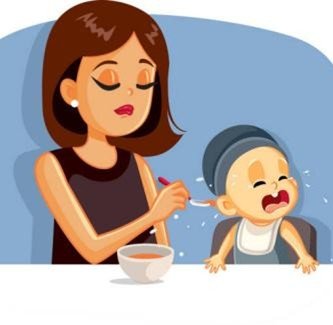


I sometimes feel that milk is the highly abused food. If child does not eat or sleep or get cranky or fussy then they get milk. It seems like every situation has a excuse of milk.

I have seen children as old as 4 years old feeding on breast milk.
Commonly seen is a 5 years old children holding sipper bottle with artificial juice or milk in it.

Unfortunately a one year child eating biscuit as one meal is a common scenario and excuse is, he does not like spice, he spits out food or we give healthy biscuits

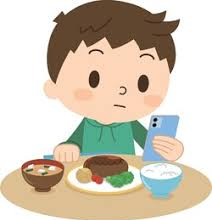
Feeding the child while watching mobile or a TV has become a common practice.
Digital companion:
It is culturally said that eating is a process and you should eat with your five senses. Unfortunately when mobile screen is your companion you are not using the senses at full potential. You do not have a feeling of satiety and you tend to over eat. Parents feel that rather than not eating, at least my child is eating something and this would take care of his nutrition. One of my parents told that, we show mobile only during feeding, not otherwise. An average toddler eats 5-6 times a day and spends approximately 30-45 min per feed. Essentially 3-4 hours per day are spent on eating food. This is a significant amount of time which potentially could be utilized for interacting with child. I had to literally calculate this & tell them that, they wasting 1/3rd of awake time of the child. First 1000 days of child’s life are very essential for brain development. What child learns during these days stays with them for rest of their life.
Milky trap:
As a parent we do not inculcate habits of how to eat. Parents usually fall prey for tantrums. Persistence is very essential in this situation. As a parent you have to innovate 100 different ways to feed your child. When parents fail to do this, child gets milk, sweets or biscuits as a replacement. Nothing against milk… but milk as a essential food is sufficient only until age of 6 months. Later after that milk can be part of the diet, but not a replacement. Milk is culprit for most of the iron deficiency in children. Milk inhibits absorption of many other nutrients along with iron. Even in our culture it is said that, milk is not to be mixed with any other food, as it reduces nutritional value of other food.
Sweet Treat, Silent Threat:
Biscuits, toast, bread, Pav etc are commonly eaten during breakfast in many parts of India. More often than not, these items are commercially prepared. Typical composition is refined wheat floor (commonly known as Maida), Vegetable oil and sugar. Essentially we are eating all carbohydrate food with very poor nutritious value. It would fulfill energy need with glucose spike in body. Regularly eating these items would increase risk of insulin resistance eventually leading to diabetes, weight gain and metabolic syndrome.
Feed the Brain, Fuel the Future
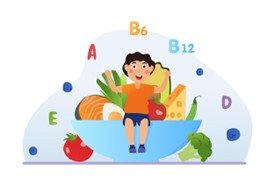
There are many important nutrients like iron, vitamin B12, other vitamin B complex, Vitamin D, other minerals which help our body to be in good mental health. Here we shall discuss few important ones.
Iron:
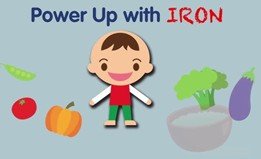
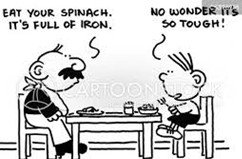
Iron is one of the most abundant mineral on earth but unfortunately most underutilised. It is present in many coloured foods which children usually do not like to eat. Iron beyond doubt is proved to be essential for brain development. There are multiple programs run by WHO and Government of India to prevent anemia in children and pregnant women. Lot of common foods contain iron, special mention to green leafy vegetables. Food cooked in iron containing vessels is very important source of iron. Jaggery (Gud) is good source of iron and some other minerals which can be used instead of white sugar (Note: too much jaggery is not good too).
Iron deficient children have 20 points less IQ than their counterparts, they exhibit lot of behavioral disturbances, temper tantrums, breath holding spells, sleep disturbances and can impact on human genetics and brain structure formation if pregnant mother is iron deficient.
Vitamin B12:
Vitamin B12 is a vitamin which is present only in animal products and is not found in plant based products. The only source of Vit B12 in vegetarians is milk and milk products. Vegans are commonly deficient in Vitamin B12 and would depend on food fortification or supplements for their needs. In our practice we have seen children from Vegetarian family or children < 1 year who have not been started on non vegetarian diet, improve after we supplement them with Vitamin B12. Chewing food is important for absorption of B12. Children with behavioral disturbances like Autism, ADHD often gulp food and do not chew. Even if they are eating B 12 rich food because saliva is not mixed properly in food, most of the B12 is destroyed by stomach acid. Watching screens while eating often leads to gulping food rather than conscious chewing of food.
B12 is extremely necessary for brain development. It is helpful in myelination of nerves (Brain maturation), neurotransmitter (chemicals through which brain cells communicate) synthesis. It is essential co factor for synthesis of DNA and RNA (our genetic material). B 12 deficiency in infants and toddlers cause developmental delay, motor dysfunction, cognitive issues, dementia, intellectual issues. In older children and adults deficiency causes fatigue, tingling numbness, dementia, sleep disturbances etc.
Vitamin D:
Vitamin D is absolute essential for muscle and brain function. With our current lifestyle where our children are spending majority of the time indoors and less exposed to sunlight, tend to have vitamin D deficiency. Mothers during pregnancy who are deficient in Vitamin D have children with Vitamin D deficiency and may manifest as developmental delay.
Zinc:
Zinc is also one of the essential element for brain development. Zinc is present in majority of meat and sea foods. Vegetarian get zinc from Dairy products, legumes, whole grains, unpolished rice, seeds. Zinc deficiency is very rare as it is abundant in many foods but is commonly seen in children who are malnourished and children who are fed on predominant dairy and bakery products.
Zinc deficiency is associated with developmental delay, cognitive, memory issues. Zinc deficiency during pregnancy causes overall reduction in brain growth.
Nutrient Intelligence: Feeding the Brain Right
1/3rd of children who present to neurologists with developmental and behavioral problems, have underlying nutritional deficiencies. Unfortunately there is delay of 6 months or more, in identifying and treating these deficiencies. They are treatable with change in dietary practices and most of the times do not need any supplements.
Here are the Few Tips which would help a childs nutrition and brain health:
Wholesome diet including colorful platter
Including lemon in the diet: increase the absorption of micro-nutrients & iron
Replace refined grains with variety of complex grains and millets
Include curd, cheese and fermented foods: for good gut bacteria
Milk should be supplement and not a replacement to meal
Substitute packaged foods with homemade, raw foods like salads, fruits
Refill your fridge with fresh foods
Prefer eating raw fruits rather than fruit juices
Fruit portion of twice the fist size of a child own (No fruit causes disease unless it contains pesticides)
Substitute fresh coconut water for packaged beverages (It turns out to be cheaper to drink coconut water than packaged drink)
Keep nuts like peanuts, roasted Bengal gram handy
Nuts like walnuts, almonds which are rich in omega-3 fatty acids help in development of brain.
Caution in toddlers as they may choke on them…….
Pill popping and sugary syrups for every minor ailment should be avoided
Inadvertent use of antibiotics damage the good bacteria in gut, and should be administered with caution
Limit sugar intake (White sugar and sugars made in factory). Jaggery / honey are better alternatives to sugar. Avoid gummy vitamins which contains overdose of sugar.
Brain exercise and playing mind games with kids in addition to routine
physical exercise. ‘Learn the art of being child with your child’
Be aware that anything which is packaged: contains preservatives / Read contents on package carefully before you buy
Limit screen time.
‘There are no hunger tonics’: Please do not ask for it
Conclusion:
In addition to good nutrition, providing a safe and secure environment, not over-protecting your children, allowing them face their own adversities and letting them overcome their fears, creating positive digital environment, and enabling them learn through their own mistakes and experiences, would help your child to be good human being and citizen.
No products in the cart.