
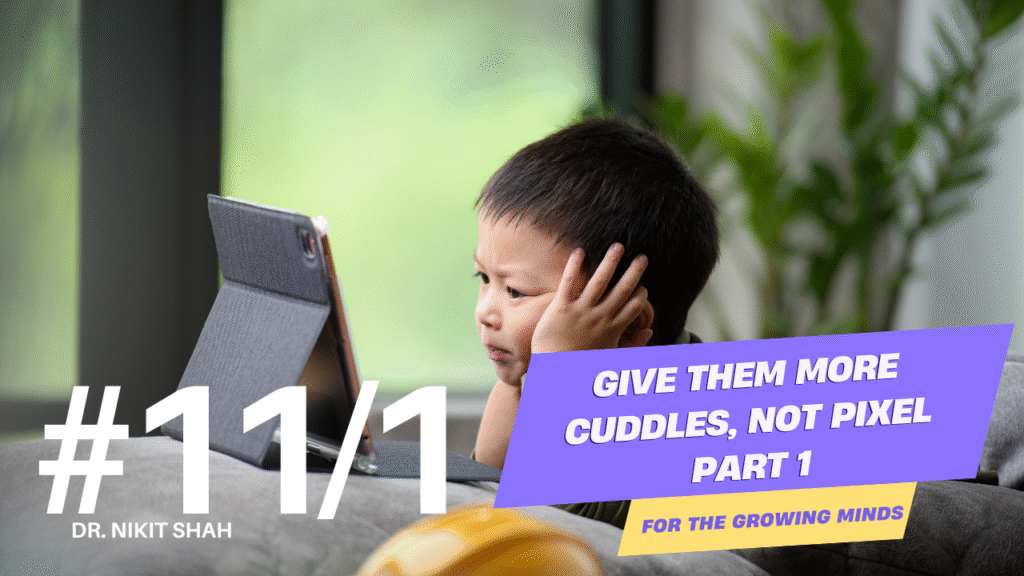
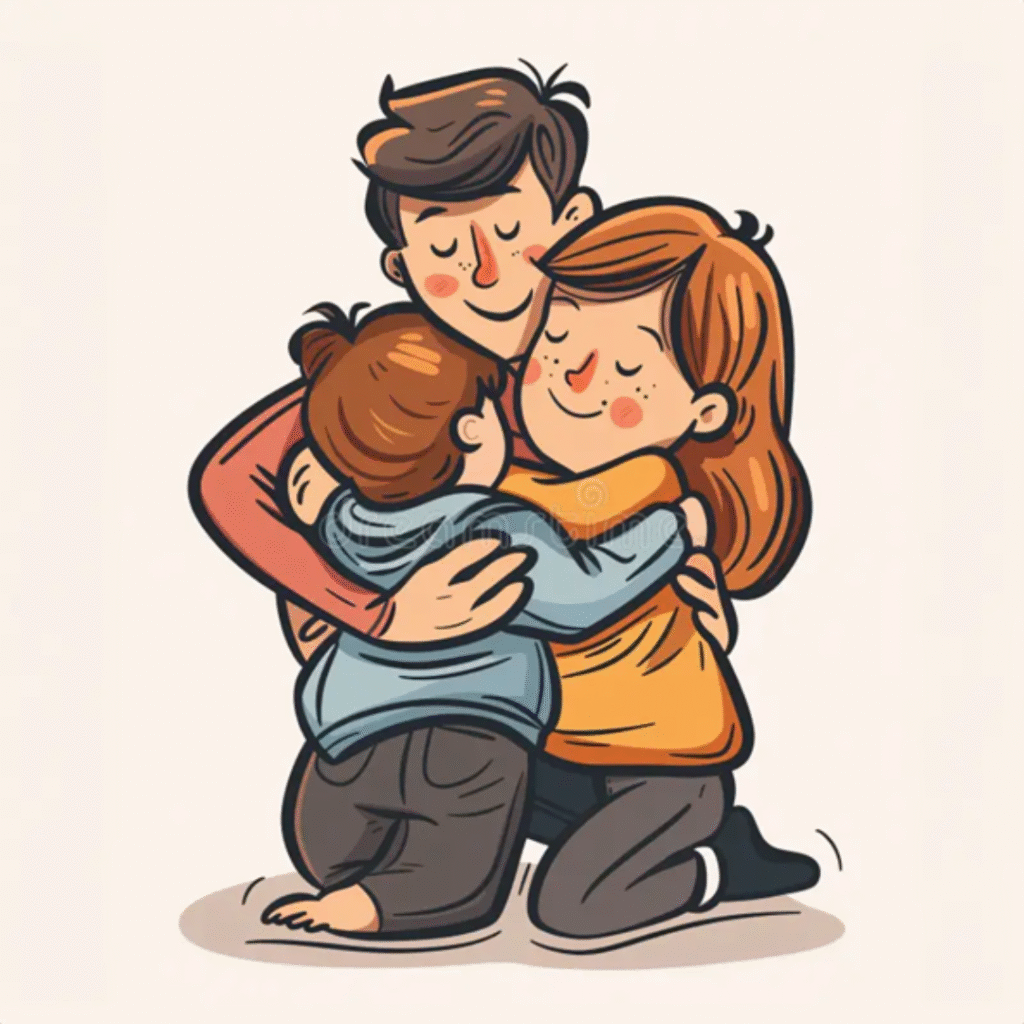

Speaking is a learned activity. We don’t speak by default, like sitting and walking. Nobody teaches you how to walk. But for that matter, no body even teaches how to speak. Child learns speaking on its own. But there is significant difference between learning the two. Even if you do not expose child to any physical activity he would still walk, albeit a bit late, but if a child is not exposed to any speech, he would learn only babbling and not beyond Speaking does not mean just speaking, it actually means communicating. Language is a tool to communicate. A process of communication involves transfer of information to each other. It involves voice modulation, framing the grammatically correct sentence, so that it means what you actually want to mean. It also involves emphasis on key words, non verbal gestures like maintaining eye contact; hand gestures, emotions and facial expressions. All these are different facets of an effective communication and are essential to pass on the complete and appropriate message. This type of communication develops only when a child observes us communicating effectively.

Our brain learns by experience and inputs from 5 sensory organs. We almost always never teach our mother tongue to our children. They Just learn it ! They would know certain word as a base vocabulary. When a new word is used in a sentence in which they know rest of the words, they would understand and learn the meaning of a new word without we telling. If this word is used more frequently then they would understand the finer aspects of how and where to use that particular word. This word then would be permanently incorporated in their memory bank which later can be extracted when it is to be used. This is how we learn and remember. Sometimes we have to unlearn wrong. This also required repeated re enforcement. When we learn a new circuit is formed in our brain and when we unlearn a circuit is deleted. A new path of flow of current is produced and old is deleted. This process of learning and unlearning happens with a great speed and this is at its peak between 0 to 3 years age. Probably even before that (While being in mother’s womb). Our sensory organs have to be fully operated at its maximum capacity for good learning.
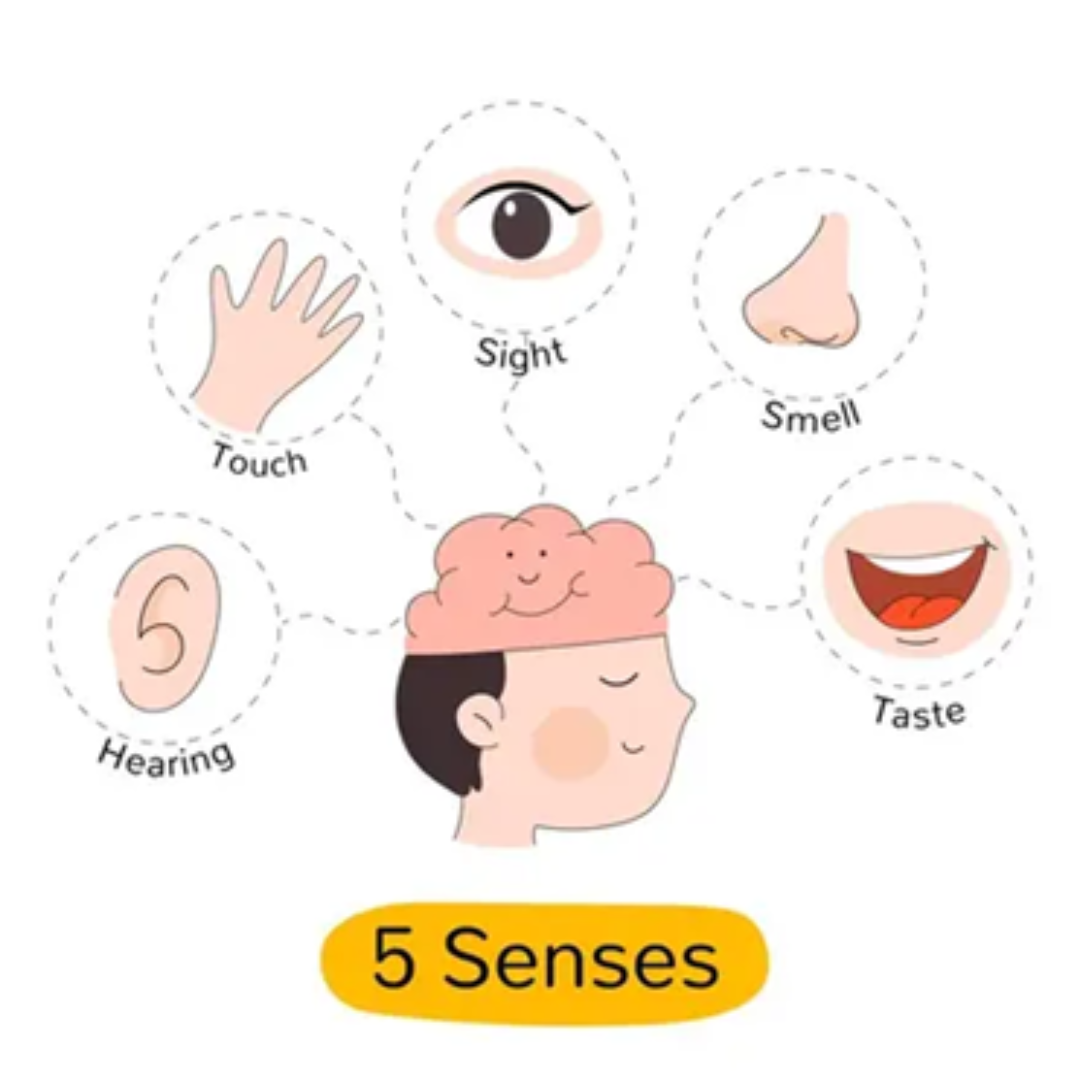
Screens will never ever help you to develop effective communication. Majority of cartoons are 2 dimensional and have very monotonous type of language which is completely lacking expressions, emotions, eye contact, gestures etc. When we are watching screens our sensory organs are blunted, as we are not exactly seeing, what we see when we are talking to a human.
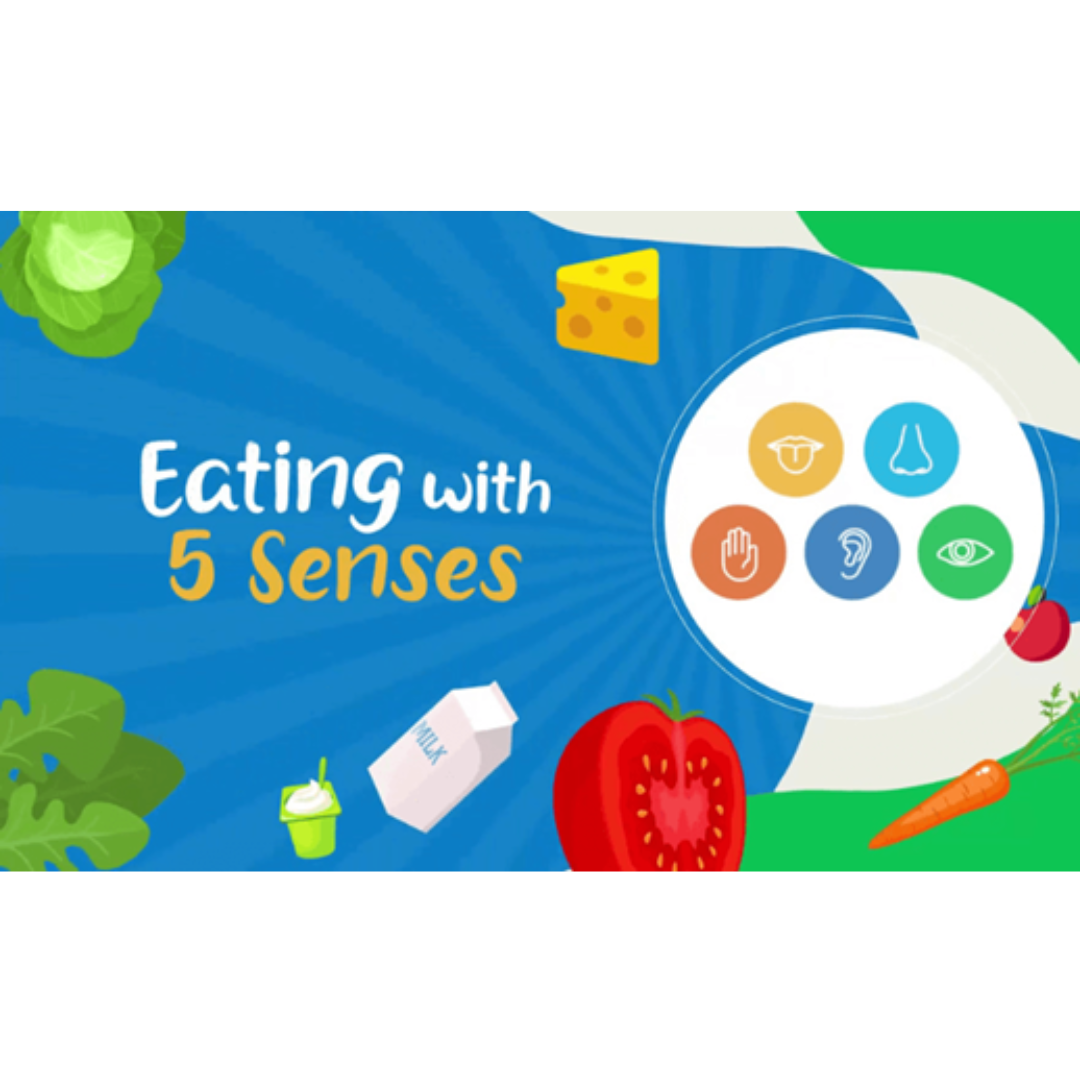 Young children eat approximately 5 meals per day. Without screens they take approximately 30-45 min to finish each meals. In total they spend around 3-4 hours a day only eating. Children up to 3 years sleep for 12-13 hours. Means out of 12 hours of awake time, 1/3rd is spend eating. If children sees screens while eating, time spent would be less but, it would also mean that, they are loosing much more essential time for brain stimulation, learning, loosing on essential sensory inputs like smelling food, testing food, hearing the food and visual sensory inputs of human face, meaning child is at double loss. Rest of the 6-7 hours they interact with parents and peers. They play, shout, cry, fight, make mess out of everything etc. We see majority of this time is also hijacked by screens. Children who spend 3 or more hours per day watching screens including screens while eating, are at maximum loss.